


Duet Tiles - Rhythm Music Game
3.6106.00 Reviews
App Specs
- Version
- 1.9.68
- Updated On
- License
- Free
- Downloads
- 10,000,000+
- Developer
- AMANOTES PTE. LTD.
- Categories
- Music
- Platform
- Android, iOS
Screenshots
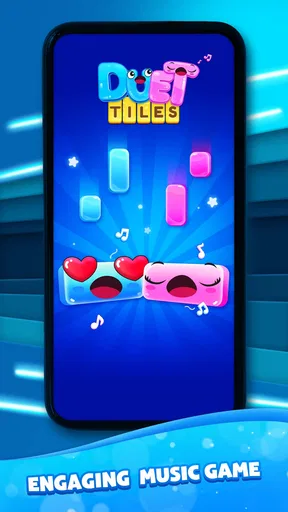
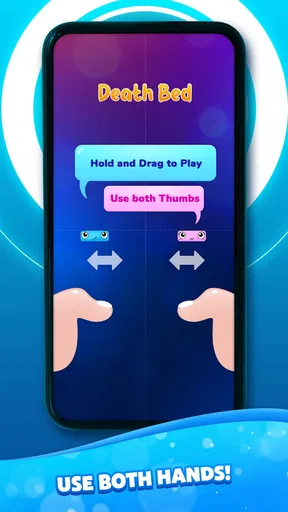


 Analysis by AppCompare
I’d judge a rhythm game like Duet Tiles - Rhythm Music Game by a few practical questions: can I follow its timing without a long tutorial, does the central challenge stay interesting after the novelty wears off, and is it enjoyable in short sessions rather than only when I can give it my full attention? This one is built around coordinating two streams of tiles, so it has a clearer identity than a basic single-lane tap game. That difference is appealing, but it also means the best fit depends on whether you enjoy splitting your attention while listening.
I’d consider it for a quick break, a quiet wait, or a short commute when I can safely focus on my screen. I would not choose it while walking through a crowded place or when I need to keep my attention on something else: rhythm play rewards concentration, and the two-part pattern makes casual glances less reliable. For a player who likes music games but wants more to manage than a simple tap-on-the-beat loop, that extra coordination is the main reason to try it.
Who is likely to enjoy the two-part challenge?
The game is an especially natural fit for someone who enjoys learning patterns through repetition. At first, I’d concentrate on recognizing when each tile needs attention rather than chasing a perfect run. Once the pattern starts to feel familiar, listening and reacting can become more satisfying than simply watching the screen. That makes the game useful as a light skill-building pastime, though it is not a substitute for learning an instrument: its appeal is timing and coordination, not music theory or practice on a real keyboard.
It may also suit friends or family members who like comparing scores and taking turns. The competitive element gives a session a simple purpose, but I’d treat a leaderboard as motivation rather than a measure of musical ability. A strong result reflects performance in this particular game, not how well someone sings or plays an instrument. If you dislike score-chasing, the core tapping challenge can still be the point; if you need a story, a social experience, or a deep progression system to stay engaged, this may feel too focused on its central mechanic.
How it differs from other music games
Compared with music games that ask you to tap a single sequence, the appeal here is the added mental load of following two sets of tiles. That can make a familiar rhythm-game idea feel more involved without asking you to learn complicated controls. On the other hand, players who prefer a relaxed beat-matching game may find that split attention turns a casual song into a test. A traditional piano-style game may be a better choice if you want a more direct one-lane pattern, while a dedicated music-learning app is better if your goal is to build transferable technique.
There is a useful distinction between enjoying a track and enjoying playing it. A song can be pleasant to hear yet still feel demanding when the patterns require quick attention, and the reverse can happen too: a section can be fun to master even if I would not choose that music for passive listening. I’d decide based on whether I like interacting with music, not simply on whether I’m looking for a playlist. That expectation can prevent disappointment for anyone who assumes a music game will function like a streaming service.
Practical choices before you settle in
For a better first session, I’d play somewhere stable, use comfortable audio, and give the timing my attention before trying to beat a previous score. If a run goes wrong, I’d notice whether I missed because I lost track of one tile stream or because I reacted late. Those are different problems: watching both parts more deliberately helps with the first, while slowing down and rebuilding confidence is the sensible response to the second. This small habit makes practice feel purposeful instead of turning every miss into a reason to restart immediately.
Worth Reading Before You Choose

Flipboard Shows What News Apps Must Do Beyond the Feed

Switching to Android Auto Means Rethinking Your Driving Routine

Google Calendar Makes a Crowded Week Easier to Manage

Ludo King Makes the Most of the Minutes Between Plans

Baby Panda World Brings Quick Play to Modern Phones, but Its Game Library Feels Busy

ESPN’s Live Game View Makes Following Close Games Easier
A realistic use case is a few minutes between errands: I can open the game, focus on one short attempt, and stop when I need to move on. It is less suited to a long stretch of distracted play, because fragmented attention makes it harder to learn why a section felt difficult. If you usually play with sound muted, remember that a rhythm game’s musical cues are part of its appeal; I’d give it a proper listen before deciding whether the timing feels natural. Headphones can help in a noisy setting, but I would keep the volume comfortable and stay aware of my surroundings.
What to weigh before downloading
Duet Tiles is a free music game from AMANOTES PTE. LTD., with in-app purchases ranging from $0.99 to $48.99 per item. I’d treat the free entry point as a chance to see whether the two-stream mechanic suits me, rather than assuming every optional purchase is necessary. Before spending, I’d check what an item offers in the game and whether it solves a problem I actually have. A purchase is poor value if I’m still unsure that I enjoy the basic play pattern.
It is rated Teen, and the current version is 1.9.44, with Android 7.0 as the minimum operating system. The game was released on May 18, 2023. Its 3.5 average comes from around 3,700 ratings, and it has more than 10 million installs; I read that combination as evidence that it has reached a broad audience, not a promise that every player will like its timing or song choices. The smaller pool of written feedback—about 100 reviews—also makes it sensible to judge the experience for yourself rather than treating a few opinions as definitive.
If you are choosing between this and another rhythm game, ask what you want to get from your session. Pick this one when coordinating two tile streams sounds more engaging than following one simple line. Choose a less demanding tap game if you want something you can play with only partial attention, or a music-learning tool if measurable instrument practice matters more than quick entertainment. The key trade-off is straightforward: more coordination can make a run feel rewarding, but it can also make the game less relaxing.
First Impressions
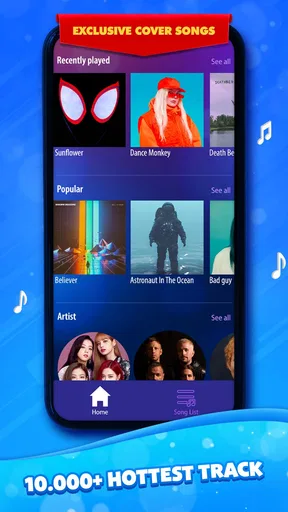
When I first fired up Duet Tiles, I was immediately drawn in by its sleek and colorful interface. It’s got that modern vibe without being overwhelming. The home screen is intuitive, making it easy to jump straight into the action. No fuss, just music and gameplay goodness!
Gameplay Mechanics
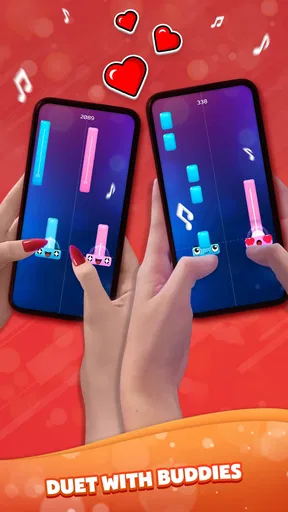
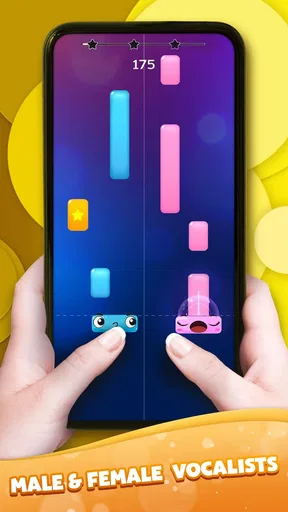
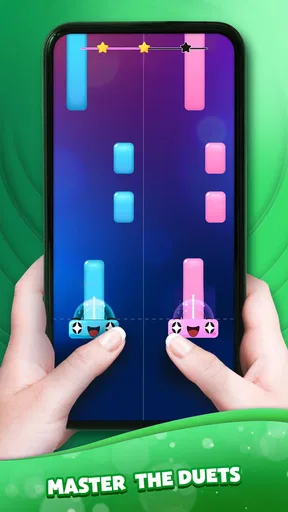
This game offers a fresh twist on the classic rhythm game formula. Your main goal is to tap the tiles in sync with the music. Sounds simple, right? Well, the catch is that you’re playing with two sets of tiles simultaneously, which really ups the challenge and excitement.
Each level is beautifully synced to a unique track, ranging from pop hits to classical pieces. As the tempo increases, so does the difficulty. But don’t worry, the learning curve is gentle enough for newcomers while still providing a challenge for seasoned players.
Visuals and Sound
Visually, Duet Tiles offers a feast for the eyes. The tiles themselves are vibrant, and the background animations add a dynamic touch without distracting from the gameplay. The developers clearly put a lot of thought into making sure everything feels cohesive.
The music selection is another highlight. There’s a great variety of genres and styles, ensuring there’s something for everyone. Each track is crisp and clear, which is essential for a game that relies so heavily on timing and rhythm.
Challenges and Rewards
As you progress, the game introduces various challenges and achievements that keep you coming back for more. Whether it’s hitting a high score or completing a level without missing a beat, there’s always a new goal to chase. And let me tell you, the satisfaction of nailing a tricky section is second to none!
The game also features a leaderboard, so you can see how your skills stack up against players worldwide. It’s a great way to add a bit of friendly competition and motivation to improve.
Accessibility and User Experience
One of the things I appreciate about Duet Tiles is its accessibility. The controls are straightforward, and the game provides options to adjust the speed and difficulty to suit your preferences. Whether you’re a casual player or a hardcore rhythm gamer, you’ll find settings that work for you.
Plus, the game runs smoothly on both Android and iOS, so you won’t have to worry about performance issues interrupting your groove.
Final Thoughts
All in all, Duet Tiles - Rhythm Music Game is a delightful addition to the rhythm game genre. It’s challenging yet accessible, visually stunning, and backed by a fantastic soundtrack. Whether you’re looking to kill time on your commute or dive into a serious rhythm session, this game has you covered.
So, if you haven’t already, give it a try and see if you can master the art of dual-tile tapping. Trust me, once you start, you won’t want to stop!
My recommendation
My recommendation is to approach it as a focused, bite-sized rhythm game rather than a music library or a replacement for a piano-learning app. The two streams are its defining draw: they give each attempt a little more to think about than a straightforward single-lane tapper, and the adjustable speed and difficulty can make the first steps more manageable. I’d start at a comfortable setting and only raise the challenge when I can follow both parts without feeling rushed.
I would recommend giving it a try if you enjoy repeating a pattern until your hands and attention catch up with the music. I’d skip it if you want a game that can safely run in the background while you multitask, or if your main aim is to discover and listen to songs without tapping. For everyone in between, the free starting point makes it easy to test whether the dual-tile idea is genuinely fun for you before deciding whether to keep it installed.
Pros
- Engaging and addictive gameplay.
- Wide variety of songs to choose from.
- Smooth and responsive controls.
- Visually appealing interface.
- Regular updates with new content.
Cons
- Can become repetitive over time.
- In-app purchases can be expensive.
- Requires internet for some features.
- Ads can be intrusive during gameplay.
- Limited offline play options.
FAQs for Duet Tiles - Rhythm Music Game
What is Duet Tiles - Rhythm Music Game about?
Duet Tiles - Rhythm Music Game is a music-based game that challenges players to tap on tiles in sync with the rhythm of the music. With a variety of songs across different genres, it offers an engaging experience for music lovers and gamers alike. The game tests your reflexes and sense of rhythm as you progress through increasingly challenging levels.
Is Duet Tiles - Rhythm Music Game free to play?
Yes, Duet Tiles - Rhythm Music Game is free to download and play. However, it may offer in-app purchases for additional features, songs, or to remove ads. These purchases are optional and enhance the gameplay experience, but players can enjoy the core game without spending any money.
What platforms is the game available on?
Duet Tiles - Rhythm Music Game is available on both Android and iOS devices. You can download it from the Google Play Store for Android or the Apple App Store for iOS. Ensure your device meets the minimum system requirements for optimal performance and gameplay experience.
Can I play Duet Tiles offline?
Yes, Duet Tiles - Rhythm Music Game can be played offline. This feature allows you to enjoy the game anywhere without needing an internet connection. However, certain features like downloading new songs or updates might require connectivity, so it's advisable to connect periodically.
How does Duet Tiles handle ads within the game?
Duet Tiles - Rhythm Music Game includes ads as part of its free-to-play model. Ads typically appear between levels or during breaks in gameplay. For users who prefer an ad-free experience, the game offers an option to purchase a premium version or ad removal package through in-app purchases.


